At 1,295,000 square kilometers, the Gobi Desert is Asia's largest arid region. Beyond its towering 300-meter sand dunes, this vast expanse hides the 1923 dinosaur fossil discoveries at the Flaming Cliffs and ancient Silk Road routes across the rocky steppe.
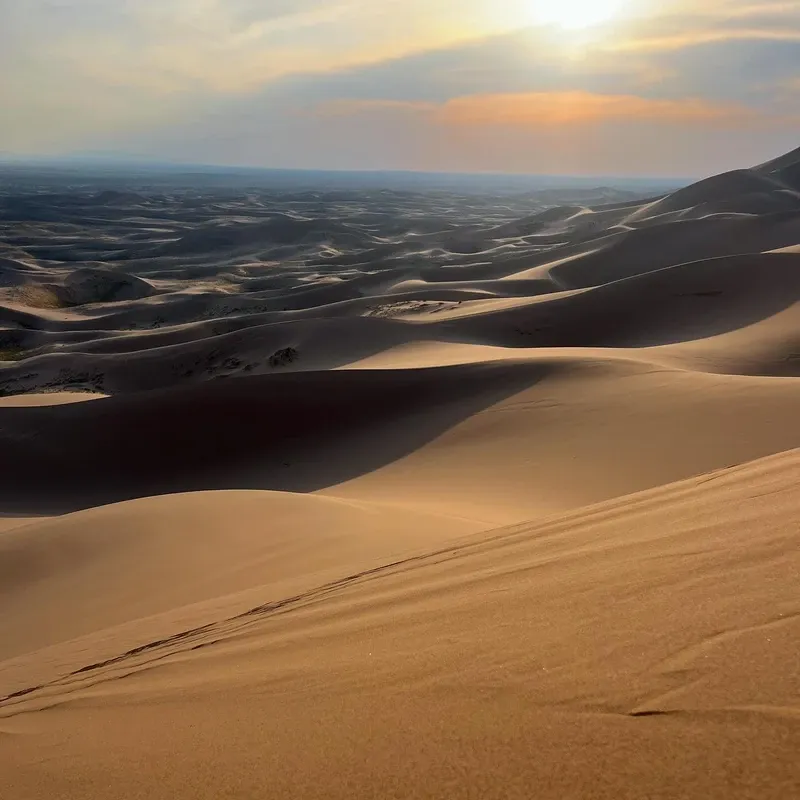
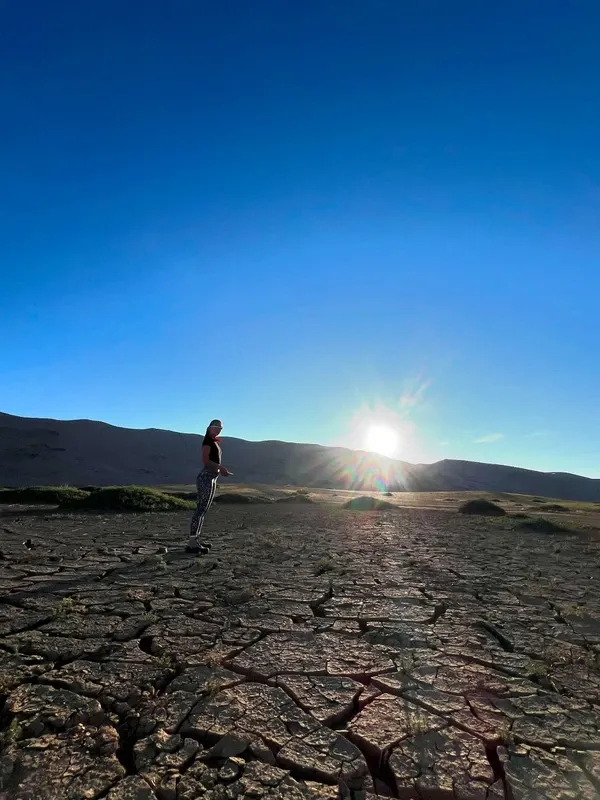
Find Guided ToursThe Gobi Desert is a cold desert and grassland region covering southern Mongolia and northern China. Spanning 1,295,000 square kilometers, it is the largest desert in Asia and the sixth-largest globally. The terrain stretches approximately 1,600 kilometers from southwest to northeast and 800 kilometers from north to south. Contrary to popular belief, only about 5% of the Gobi consists of sand dunes. The remaining landscape is a mix of bare rock, gravel plains, and semi-arid steppe sitting on a plateau at an elevation of 910 to 1,520 meters above sea level.
This arid environment exists as a rain shadow desert. The massive Himalayan Mountains to the south block moisture-laden winds originating from the Indian Ocean, preventing rain from reaching the region. As a result, the Gobi receives an average annual rainfall of just 194 millimeters. Temperatures fluctuate dramatically, reaching a maximum of 45°C in the summer and plunging to a minimum of -40°C during the winter months.
Beyond its stark geography, the Gobi holds immense value as a paleontological site. In 1923, Roy Chapman Andrews of the American Museum of Natural History discovered the world's first fossilized dinosaur eggs at Bayanzag, also known as the Flaming Cliffs. Today, Mongolia's Gobi Gurvan Saikhan National Park, established in 1993, protects this unique ecosystem and its historical fossil beds.
The desert also played a critical role in human history. It was a central territory of the Great Mongol Empire under Genghis Khan during its 13th-century expansion. Earlier, it served as a vital segment of the Silk Road, facilitating trade between the East and West. This cultural exchange is preserved at the Mogao Caves near Dunhuang, a 4th-century site containing 492 temples that was designated a UNESCO World Heritage site in 1987.
Discover the full history and cultural significance on our About page.
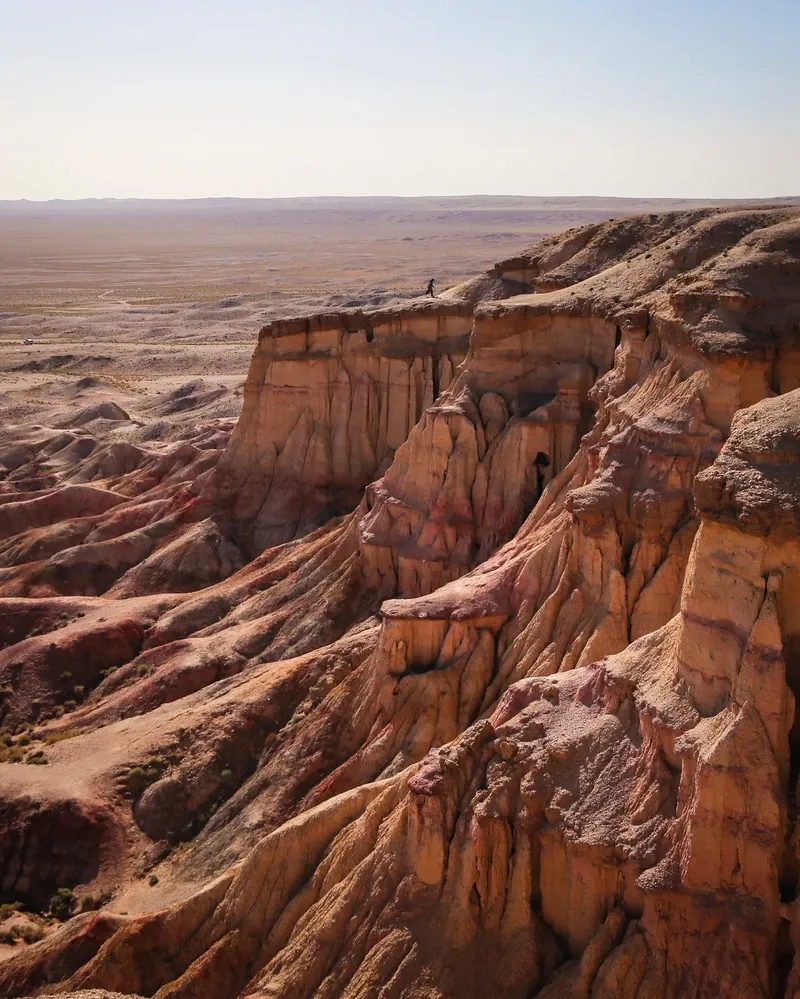
Paleontologist Roy Chapman Andrews found the world's first confirmed fossilized dinosaur eggs here in 1923. The red sandstone formations glow intensely during sunset. While major fossils now reside in Ulaanbaatar museums, the site remains a critical piece of natural history surrounded by dry grass steppe.
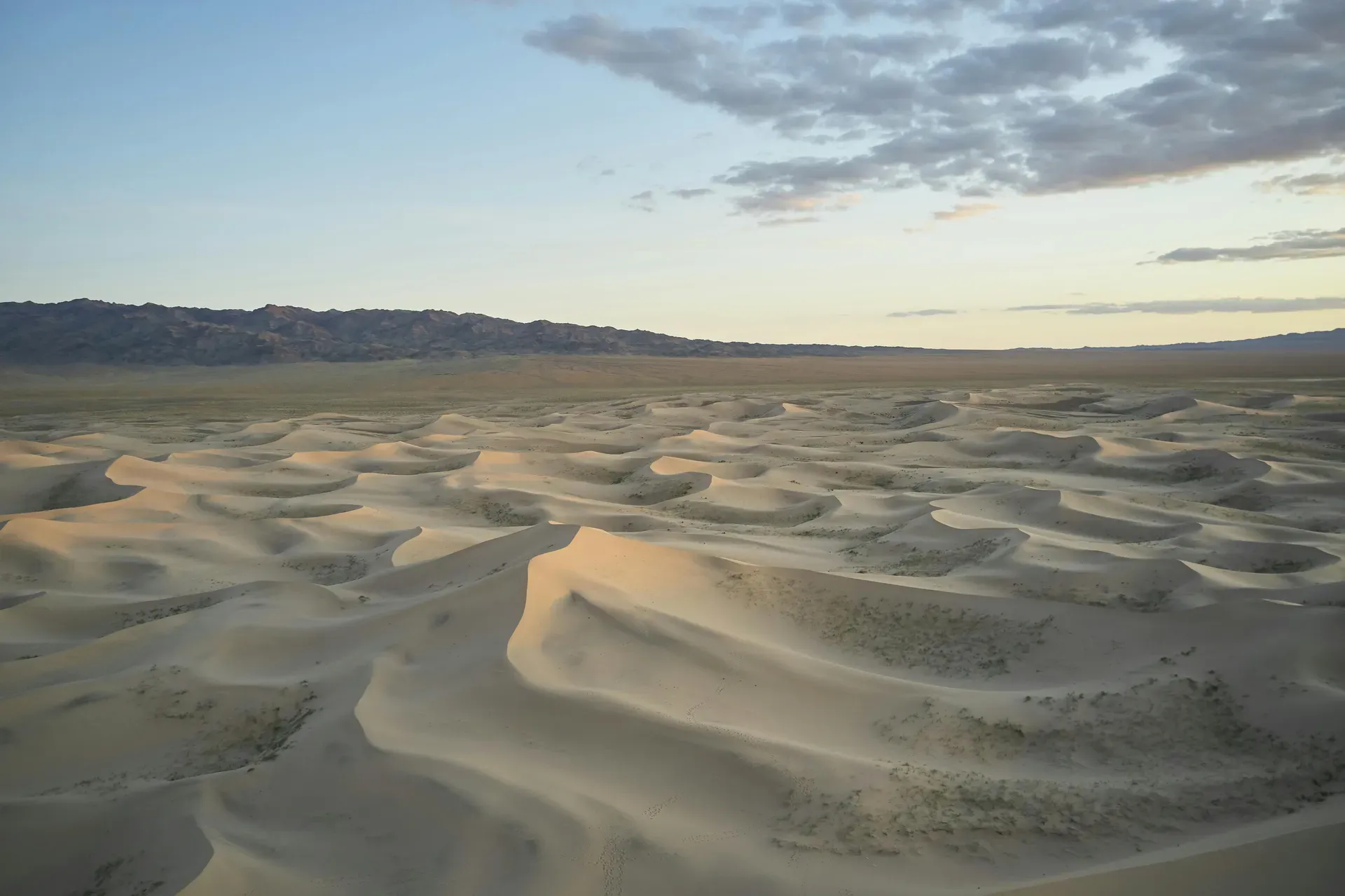
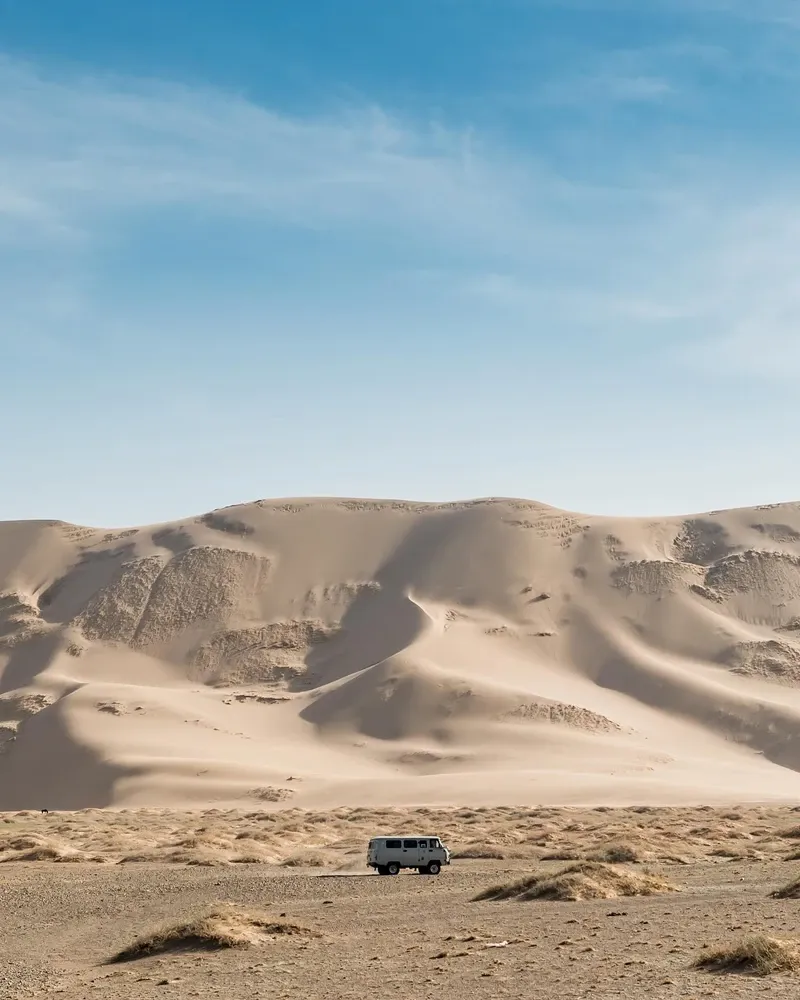
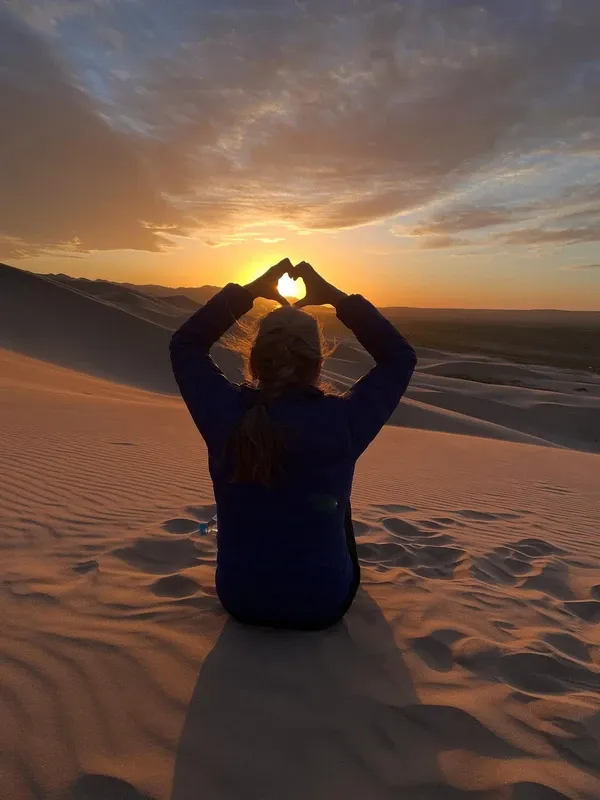
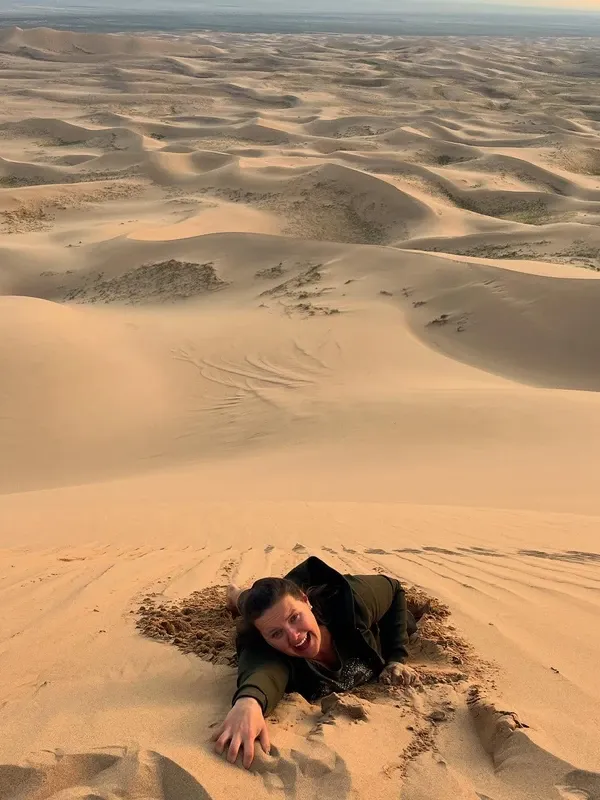
Sand dunes cover just 5 percent of the Gobi, but the Khongoryn Els dunes reach up to 300 meters high. When wind sweeps across the peaks, the shifting sand emits a distinct humming sound. Visitors often explore this remote terrain riding native two-humped Bactrian camels.
Located within the Gurvan Saikhan Mountains, this deep and narrow gorge shields its base from the sun. A thick ice field persists here even during mid-summer, when regional temperatures can reach 45°C. The surrounding rocky terrain sits at an elevation between 910 and 1,520 meters.
Crescent Lake forms a rare natural oasis at the base of Mingsha Mountain in China. This small body of water has survived for over 2,000 years without being consumed by shifting sands. Travelers can access the site between 05:00 and 23:30 during the peak summer months.
Hand-picked tours with free cancellation and verified reviews
 Free Cancellation 11h
  Free Cancellation 30h
  168h
168h  Free Cancellation
  Free Cancellation 144h
  Free Cancellation 240h
 The optimal window for visiting the Gobi Desert is from May to September, offering warm temperatures and clear skies. Visitors should avoid winter's extreme cold and early spring's severe sandstorms.
Fierce sandstorms frequently occur during these months, capable of reducing visibility to zero and causing travel delays. While May begins to warm up, conditions generally remain harsh and unpredictable.
Clear skies and warm weather make this the most popular season, especially for Naadam festivals in June and July. Daytime highs reach 45°C, but nighttime temperatures still demand thermal layers.
September provides excellent travel conditions with clear skies and manageable weather. By late autumn, temperatures drop rapidly toward winter extremes, making early season visits highly preferable for outdoor activities.
Travel is highly discouraged as temperatures plummet to a minimum of -40°C. These extreme freezing conditions make off-road navigation dangerous and result in the closure of most ger camps.
Access to the Gobi Desert depends on the specific protected area. Gobi Gurvan Saikhan National Park in Mongolia is open 24 hours a day, seven days a week, though access is largely seasonal. In China, Mingsha Mountain and Crescent Lake operate from 05:00 to 23:30 between May and October. During the winter months of November through April, hours are reduced to 07:30 to 18:00.
| Category | Price |
|---|---|
| Gobi Gurvan Saikhan National Park (Mongolia) | 3,000 MNT |
| Mingsha Mountain & Crescent Lake (China) | 110 RMB |
A border permit is required to visit the 30-kilometer zone near the Mongolia-China border. Foreign visitors to the Chinese sections require a standard tourist visa. Travel is heavily impacted by seasons, with fierce sandstorms from March to May and extreme cold reaching -40°C from December to February.
For complete schedules and ticket prices, visit our Hours & Fees page.
Accessing the Gobi Desert requires traveling to regional hubs like Dalanzadgad in Mongolia or Dunhuang in China. Transportation options range from domestic flights and high-speed trains to overland routes using buses or private vehicles.
📍 Southern Mongolia and Northern China
Buses depart daily from the Dragon Bus Station in Ulaanbaatar and travel to Dalanzadgad. This 532-kilometer route serves as a standard overland connection for visitors heading to the Mongolian side of the desert. Passengers can secure their seats by booking tickets through the Tapatrip application. The trip provides a direct transit option without the expense of private transport.
Airlines such as MIAT and Hunnu Air operate flights from Ulaanbaatar to Dalanzadgad. This 672-kilometer air route is the fastest way to reach the Mongolian Gobi. The flight schedule is seasonal and highly limited, requiring travelers to plan well in advance. Arriving by air bypasses the long overland transit entirely.
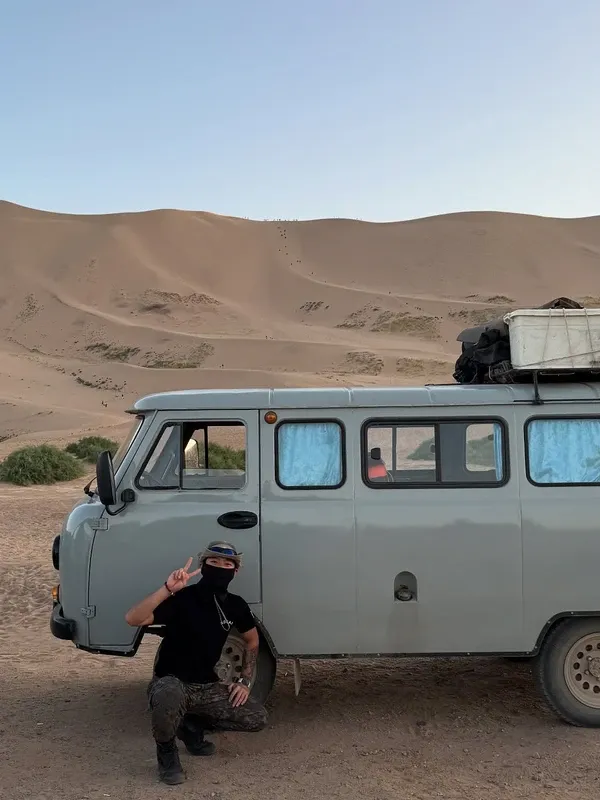
Hiring a private vehicle from Ulaanbaatar includes a dedicated driver and fuel for the 532-kilometer drive. This method provides the highest level of flexibility for reaching remote desert locations like the Khongoryn Els sand dunes. Navigating the trackless terrain is dangerous without a local guide, making a hired driver essential. The daily rate covers the logistics of off-road travel.
The Chinese railway network connects Lanzhou to Dunhuang over a distance of 1,100 kilometers. Dunhuang functions as the primary gateway to the Chinese section of the Gobi Desert and the Mogao Caves. The rail system provides a fast and structured transit method across the northern regions of China. Passengers arrive directly at the desert's edge.
For detailed transport options and routes, visit our Directions page.
Navigating the trackless desert is dangerous without a local driver. GPS is often unreliable off-road, and cell service is non-existent in remote dunes and valleys. A sturdy 4x4 vehicle is necessary to handle rugged terrain and tire tracks that turn to mud after rain.
Tap and stream water in the desert are not safe to drink. Tourists should purchase bottled water, which costs approximately 1,500 MNT per 1.5-liter bottle, or boil their water. Dehydration is a serious risk, so carry at least 3 liters of water per person each day.
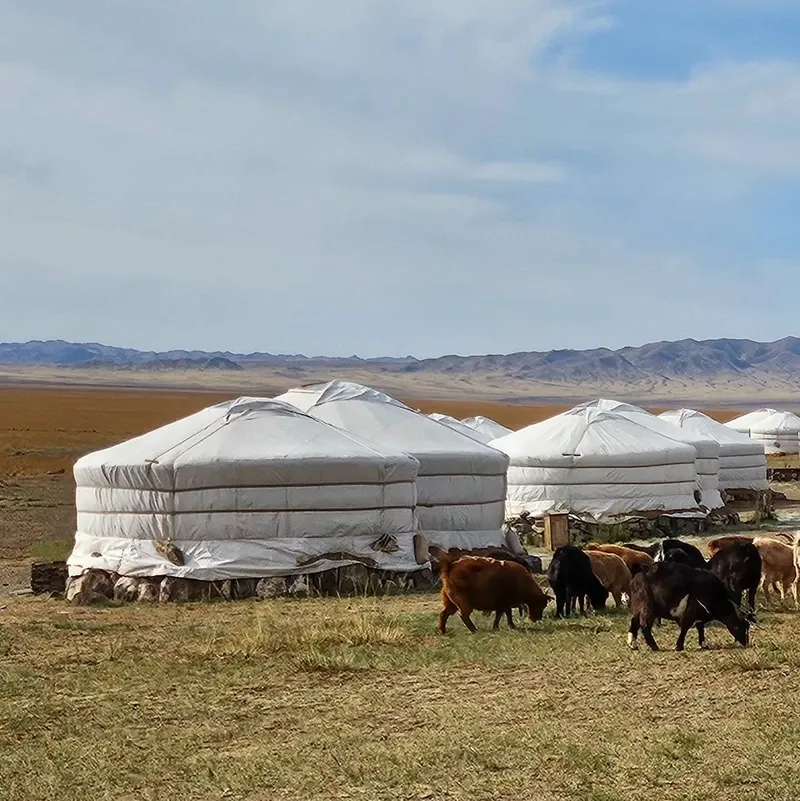
When visiting a traditional nomadic ger, follow local customs carefully. Never step on the threshold when entering, always move clockwise once inside, and accept any food or drink with your right hand. Consider bringing small gifts like high-quality tea or school supplies for your hosts.
Charging opportunities are highly restricted in remote areas. Most ger camps only provide electricity for a few hours in the evening using solar panels or generators. Bring a high-capacity power bank and spare camera batteries. The outlets use 220V European-style plugs.
The desert experiences extreme day-to-night temperature shifts, and nighttime temperatures can drop below freezing even during summer. Thermal layers are mandatory for evening comfort. During the day, apply high-SPF sunscreen and lip balm to protect against the intense UV index at elevations up to 1,520 meters.
Always ask for permission before photographing nomadic families or monks. Photography is strictly prohibited inside the Mogao Caves. If you carry a drone, note that they are restricted in border zones and require real-name registration when traveling on the Chinese side of the desert.
Established in the 4th century, this UNESCO World Heritage site contains 492 temples. It is recognized globally for its extensive collection of world-class Buddhist murals and sculptures.
This structure marks the westernmost end of the Ming Dynasty Great Wall. Historically known as the 'First Impregnable Pass Under Heaven', it stands as a prominent historical landmark.
Located on the banks of the Ongi River, this site preserves the remains of two large 18th-century monasteries. It serves as a significant historical stopover for travelers crossing the desert.
Read what travelers share about their experience visiting Gobi Desert — from practical tips to personal highlights.
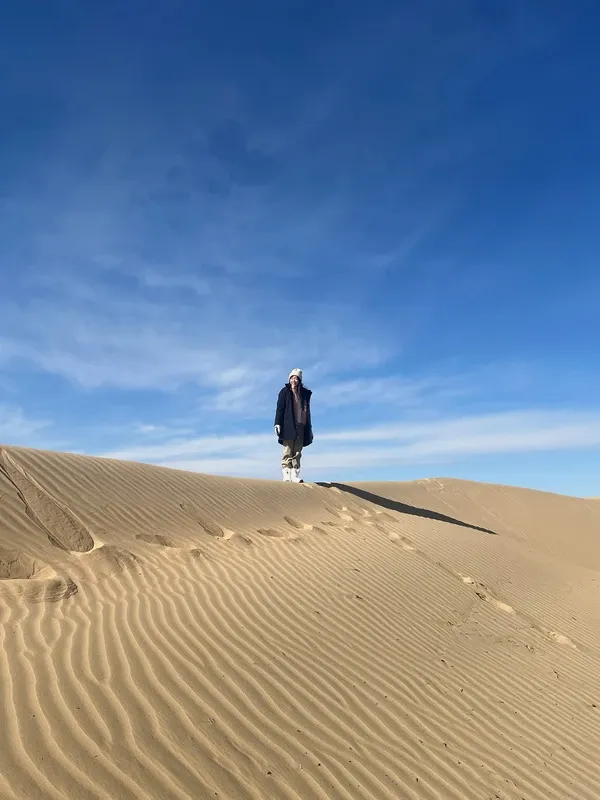
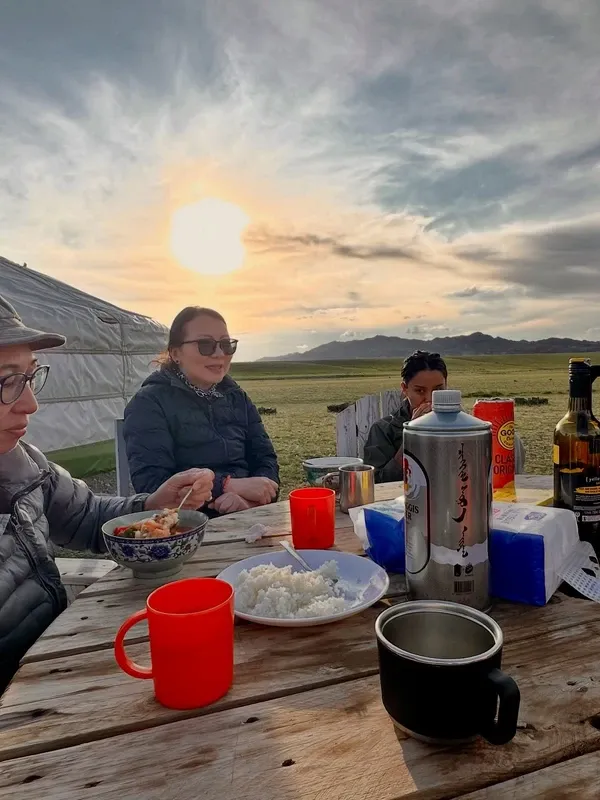
The optimal window is from May to September, with June and July being popular for the Naadam festival. Avoid traveling between December and February when temperatures drop to -40°C, as well as the spring months which bring severe sandstorms.
You can take a 1.5-hour domestic flight to Dalanzadgad for approximately 450,000 MNT. Alternatively, a public bus covers the 532 km distance in 9 to 10 hours and costs 35,000 MNT.
In Mongolia, entry to the Gobi Gurvan Saikhan National Park costs 3,000 MNT. For visitors accessing the Chinese side, tickets to Mingsha Mountain and Crescent Lake are 110 RMB.
Navigating the trackless desert without a local driver is dangerous, and off-road GPS is highly unreliable. Hiring a private 4x4 vehicle with a driver costs around 280,000 MNT per day and includes fuel.
Pack high-SPF sunscreen, lip balm, and thermal layers, as nighttime temperatures frequently drop below freezing even in summer. You will also need a power bank and at least 3 liters of drinking water per person per day.
Wheelchair accessibility is very limited due to rugged, unpaved terrain and a lack of ramps at ger camps. Elderly travelers should expect physically taxing off-road drives lasting 3 to 6 hours daily, making private tours in comfortable SUVs highly recommended.
No, only about 5 percent of the 1,295,000 square kilometer area is covered by sand dunes. The vast majority of the landscape consists of bare rock, gravel plains, and semi-arid steppe.
Tap and stream water are not safe for consumption. Tourists must drink bottled or boiled water, with 1.5-liter bottles costing approximately 1,500 MNT at local shops.
Browse verified tours with free cancellation and instant confirmation.
Find Tours