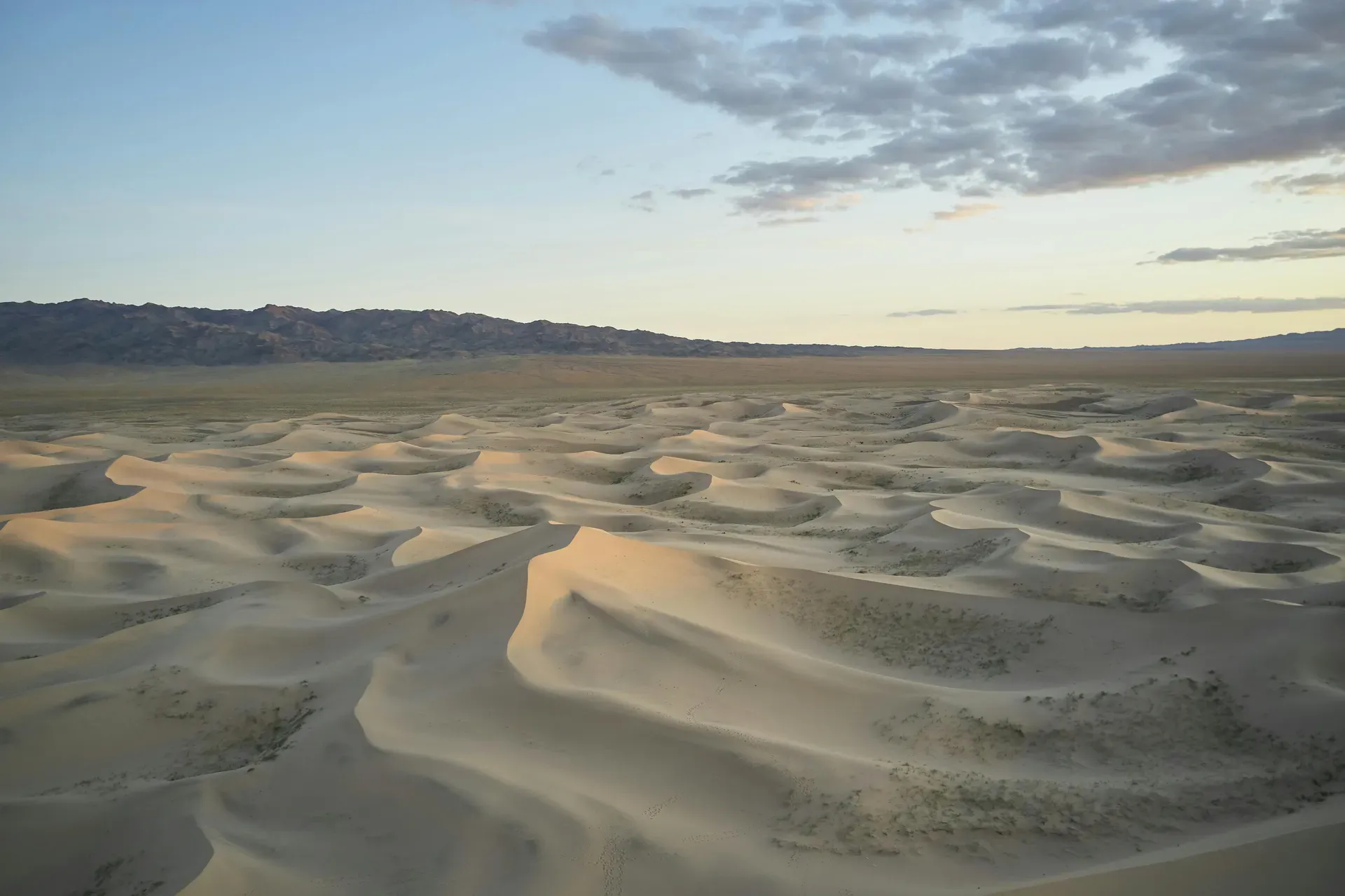
Explore the diverse landscapes of the Gobi Desert with trips ranging from single-day excursions to immersive 10-day nomadic journeys. Experience camel rides across sand dunes, visit the Flaming Cliffs, and stay in traditional ger camps.
 Free Cancellation
 Experience the steppes, semi-Gobi dunes, and nomadic hospitality on a private one-day tour from Ulaanbaatar.
 Free Cancellation
 Visit the Semi-Gobi dunes and ancient Kharkhorum on a guided day trip through Mongolia’s diverse wilderness.

Explore the dramatic cliffs of Tsagaan Suvarga and live alongside nomadic families in the heart of the Gobi.
 Free Cancellation
 Ride camels through Elsen Tasarkhai’s dunes and visit a nomad family on this full-day trip from Ulaanbaatar.
 Free Cancellation
 Explore Mongolia’s Flaming Cliffs and the Khongor Sand Dunes on a journey through the heart of the Gobi Desert.
 Free Cancellation
 Experience nomadic life while traveling from the Gobi Desert's dunes to the remote Eight Lakes on horseback.
Read what travelers share about their experience visiting Gobi Desert — from practical tips to personal highlights.
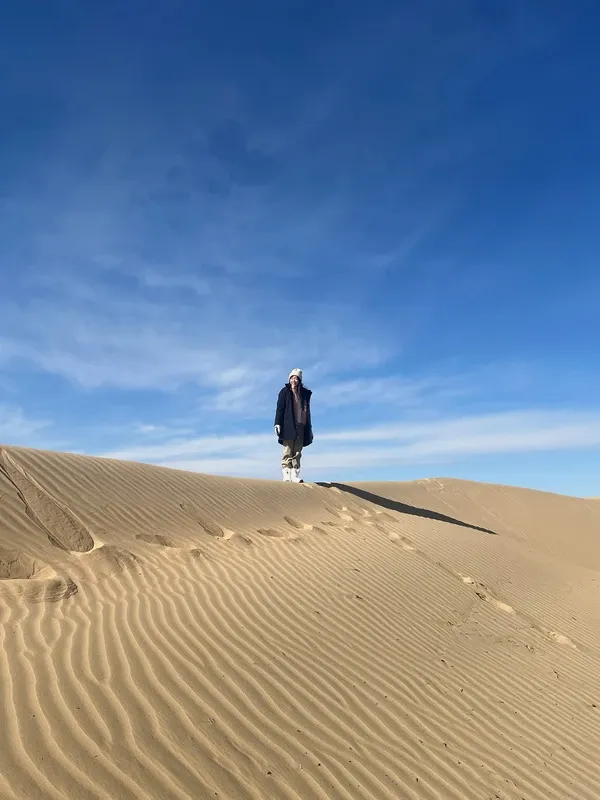
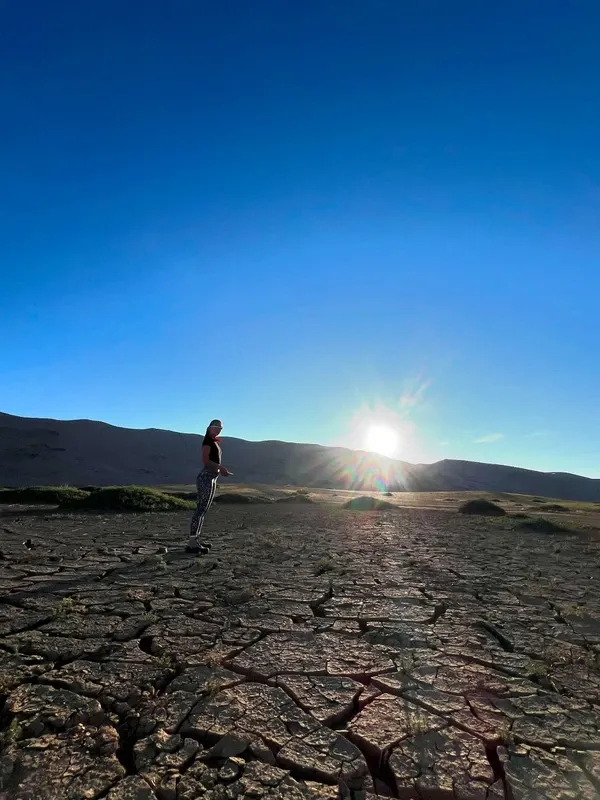
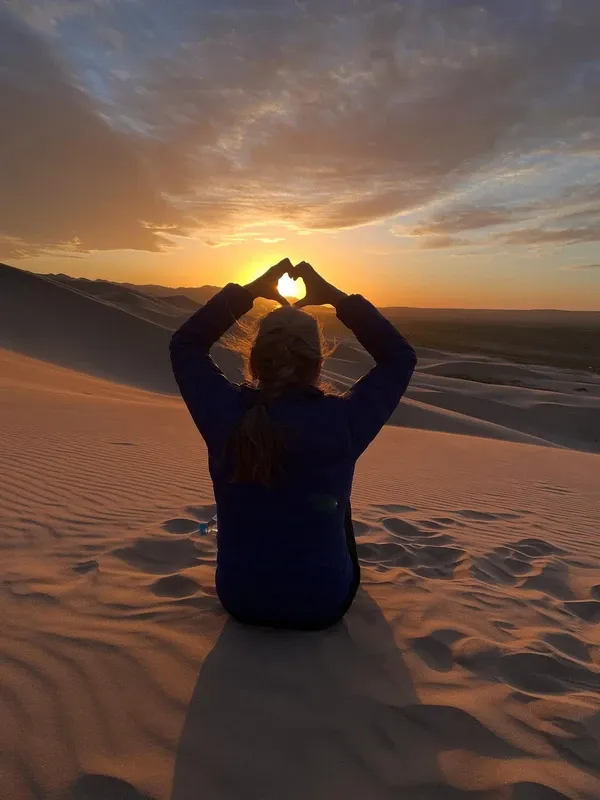
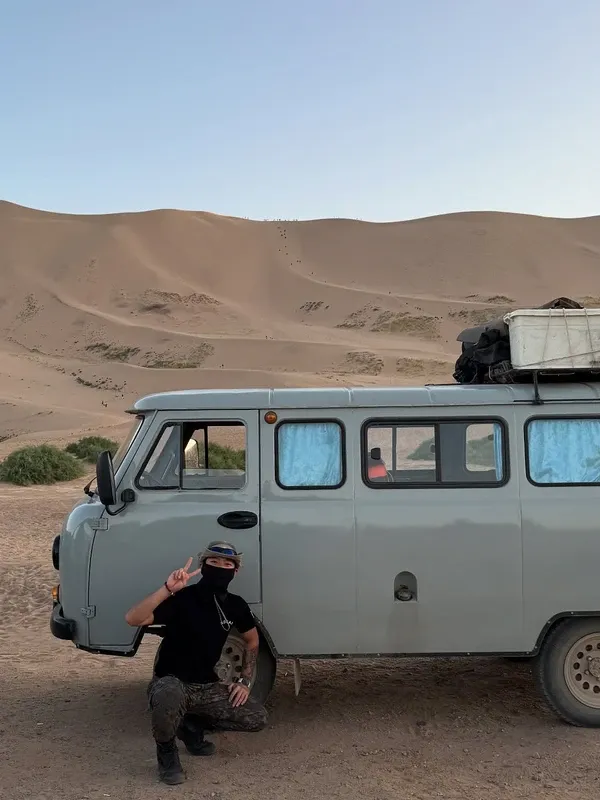
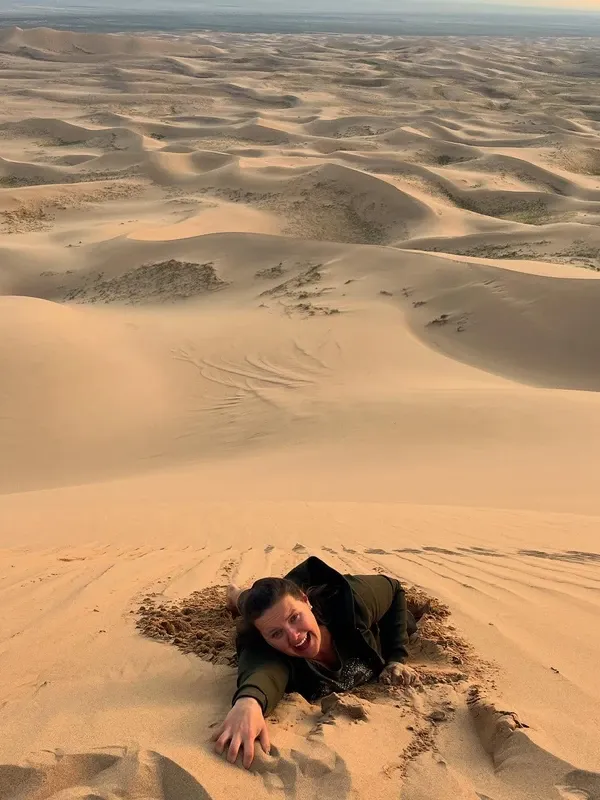
A tour of the Gobi Desert is an off-grid adventure through one of the world's most extreme and diverse landscapes. Expect long drives across trackless terrain in a 4x4, nights spent in traditional nomadic gers, and a surprising mix of towering sand dunes, deep ice-filled canyons, and red sandstone cliffs.
Climb these massive 300-meter-high sand dunes, known as the Singing Sands, which emit a distinct humming sound when the wind blows.
Explore Bayanzag, the striking red sandstone formations where the first fossilized dinosaur eggs were discovered in 1923.
Hike through Yolyn Am, a deep, narrow gorge in the Gurvan Saikhan Mountains that retains a thick ice field even in the middle of summer.
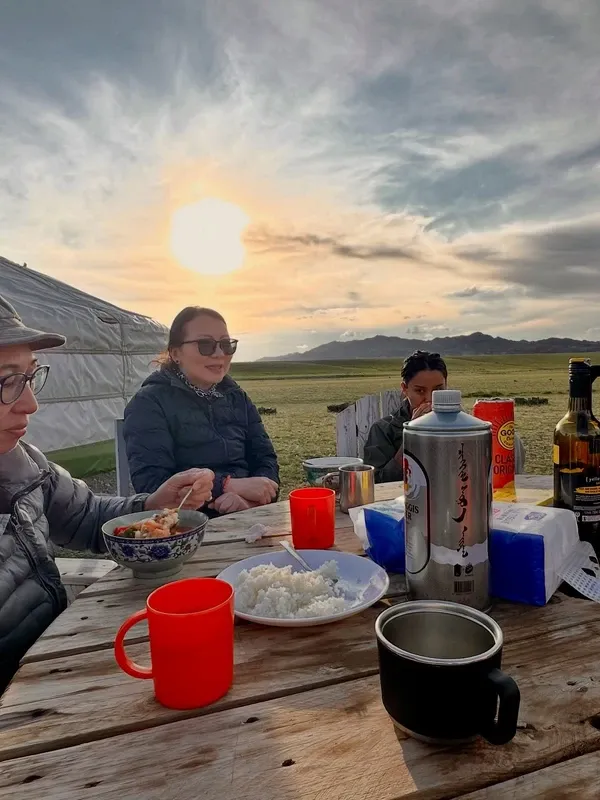
Sleep in a traditional portable felt tent, sharing meals and learning about the resilient lifestyle of local camel-herding families.
Ride native two-humped camels across the semi-arid steppe and dunes, experiencing the traditional transport method of the ancient Silk Road.
Experience some of the clearest night skies on Earth, offering spectacular, zero-light-pollution views of the Milky Way.
Planning a Gobi Desert trip requires careful consideration of logistics, comfort levels, and travel times. Here is what you need to know before locking in your tour.
If you are short on time, 1-day and overnight 'Semi-Gobi' tours visit areas like Elsen Tasarkhai near Ulaanbaatar. To see the deep Gobi highlights like the Flaming Cliffs, you need a 6 to 10-day expedition.
Most tours operate as private 4x4 expeditions with a dedicated driver and English-speaking guide. Navigating the trackless desert without a local expert is highly dangerous.
Expect 3 to 6 hours of bumpy, off-road driving daily. While tours are generally suitable for all fitness levels, the long transit times can be physically taxing for elderly travelers or those with back issues.
Outside the capital, you will stay in ger camps or with nomadic families. These offer basic beds and central wood-burning stoves, but luxury amenities like private bathrooms are extremely rare.
Multi-day tours typically include all meals, bottled water, national park entrance fees, and activities like camel riding. Always check if your specific tour covers the 3,000 MNT park fee.
Temperatures fluctuate wildly, from 45°C in summer days to freezing at night. Pack thermal layers regardless of the season, and avoid traveling between March and May due to fierce sandstorms.
Many 1-day and overnight tours offer a full refund if canceled 24 hours in advance. However, longer 7-to-10-day expeditions often require at least 3 days' notice for a refund.
| 1-Day Semi-Gobi Tour | Overnight Semi-Gobi Trip | 6 to 7-Day Deep Gobi Tour | 10-Day Grand Highlights Tour | |
|---|---|---|---|---|
| Duration | 11 hours | 2 Days (30 hours) | 6-7 Days | 10 Days |
| Best for | Travelers on a tight schedule wanting a quick desert taste | Weekend escapes and basic nomadic culture | Seeing major highlights like Flaming Cliffs & Singing Sands | Comprehensive exploration of the desert and central steppe |
| Accommodation | None (Day trip) | Private yurt next to a nomadic family | Tourist Ger Camps & Tents | Ger camps and nomadic family stays |
| Price from | $138 | $312 | $1,090 | $1,967 |
Access to the Gobi Desert depends largely on the specific parks and sites you plan to visit, as well as the country you are entering from.
Keep in mind that while the desert itself does not 'close', driving after dark is strongly discouraged due to the lack of roads and high risk of getting lost.
Most Mongolian Gobi tours begin with a pickup in Ulaanbaatar. From there, you have a few options to reach the desert gateway of Dalanzadgad:
If visiting the Chinese side (Dunhuang), you can take a 5-hour high-speed train from Lanzhou for about 350 RMB.
The best time to visit the Gobi Desert is from May to September. During these months, you will experience warm daytime temperatures and clear skies. June and July are particularly popular because they coincide with the national Naadam festival.
You should completely avoid the winter months (December to February) when temperatures plummet to a deadly -40°C. Additionally, the spring months of March to May are notorious for fierce sandstorms that can reduce visibility to zero and halt all travel.
Accessibility in the Gobi Desert is very limited. The terrain consists of rugged rock, gravel plains, and soft sand with virtually no paved paths.
When traveling into the Gobi, you must be prepared to go off the grid. Facilities are extremely basic.
Respecting local laws and nomadic customs is a vital part of your Gobi experience.
No, tap water and natural stream water are not safe to drink. Tourists must rely on bottled water, which costs about 1,500 MNT per 1.5L bottle, or water that has been thoroughly boiled by their tour guides.
You absolutely need a local guide and driver. The Gobi is a trackless desert where GPS is highly unreliable off-road. Driving without local expertise can lead to getting lost in areas with no water or cell service.
While tours visit famous excavation sites like the Flaming Cliffs (Bayanzag) where the first dinosaur eggs were found, you won't see loose fossils lying around. The significant paleontological finds have been moved to museums in Ulaanbaatar.
Not at all. Unlike the Sahara, only about 5% of the Gobi is covered by sand dunes. The vast majority of the landscape consists of bare rock, gravel plains, and semi-arid steppe grass.
A ger is a traditional, portable felt tent used by Mongolian nomads. Tourist gers usually feature basic beds and a central wood-burning stove for heat, offering a cozy but rustic accommodation experience.
Charging opportunities are limited. Most ger camps use solar panels or generators to provide electricity for just a few hours each evening. You should bring a high-capacity power bank and spare batteries.
Cell phone signal is generally non-existent in remote dunes and valleys. You will only get reception when passing through provincial centers or larger towns like Dalanzadgad.
Encounters are extremely rare, but the desert ecosystem does support predators like wolves and snow leopards, as well as the venomous Siberian pit viper. Always watch your step when hiking in rocky areas.
Most multi-day guided tours include the 3,000 MNT entrance fee for the Gobi Gurvan Saikhan National Park. However, it is always best to double-check the 'inclusions' section of your specific booking.
You need to pack in layers. Even in the peak of summer when daytime temperatures hit 45°C, nighttime temperatures can drop below freezing. High-SPF sunscreen, lip balm, and a dust mask are also essential.
Browse verified tours with free cancellation and instant confirmation.
Find Tours


This day trip is designed for travelers on a tight schedule who want to see Mongolia’s diverse landscapes. Traveling in a private vehicle with a professional English-speaking guide and driver, you will head to the Elsen Tasarkhai, a unique area where the open steppe meets the sand dunes of the semi-Gobi. You will spend time with a local nomadic family to learn about their way of life and share a traditional Mongolian meal. The tour also includes a chance to ride a two-humped Bactrian camel across the dunes. It is a practical way to experience the countryside, nomadic culture, and desert scenery in a single day.
For a full refund, cancel at least 24 hours before the scheduled departure time.
English


Founded in 2018, Nomadic Hospitality of Mongolia is operated by two University of Nevada Las Vegas graduates who lead every tour personally. Our background allows us to offer fluent English communication and a deep understanding of Western cultural expectations. We focus on providing a safe, comfortable experience where you feel like you are exploring the country with a local friend. This itinerary visits the Semi-Gobi sand dunes and the historic capital of Kharkhorum, two of the most significant sites in the region. Over the course of the day, you will see a wide range of Mongolian landscapes, including mountains, grasslands, and desert terrain. The trip offers a close look at the nomadic lifestyle, featuring local herds and traditional ways of life. Because these destinations are located deep in the countryside, please expect at least four hours of driving each way. This trip is designed for those who want to see the natural beauty and historical heart of Mongolia in a single, well-paced day.
For a full refund, cancel at least 24 hours before the scheduled departure time.
Japanese, English, Italian


This tour focuses on Tsagaan Suvarga, the striking white limestone formations of the Gobi Desert. You will spend time with local families to learn about their daily routines and camel-breeding traditions. Rather than just sightseeing, the trip is designed to give you a direct look at the nomadic lifestyle that continues in rural Mongolia today. We organize the logistics based on your group size. Solo travelers are placed into small groups to share the experience, while any booking of two or more people is treated as a private tour with its own dedicated guide and vehicle.
If you cancel at least 3 full day(s) before the scheduled departure time, you will receive a full refund.<br>If you cancel within 3 day(s) of the scheduled departure, you will receive a 0% refund.
German, English, French, Spanish


The day begins with a morning pickup from your hotel in Ulaanbaatar for the drive toward Elsen Tasarkhai. These dunes offer a distinct semi-desert landscape where you can often spot deer, gazelle, and local birdlife. A break for lunch is included at a convenient stop along the way. Upon arrival, you will spend two hours exploring the dunes on a camel trek and hiking through the surrounding area. This part of the trip allows you to experience the scale of the desert terrain firsthand. Afterward, you will visit a nearby nomadic family to learn about their daily customs and traditional lifestyle. The tour ends with a transfer back to your hotel in the city.
For a full refund, cancel at least 24 hours before the scheduled departure time.
English


This expedition visits the Flaming Cliffs, the site where American explorer Roy Chapman Andrews discovered the first recorded dinosaur eggs. You will explore the red sandstone formations where these fossils were originally unearthed, staying through the evening to see the cliffs at dusk. The journey continues into Gobi Gurvan Saikhan National Park to reach the Khongor Sand Dunes, often called the Singing Dunes. This landscape is defined by high sand peaks, mountain ranges, and unexpected desert streams. During the visit, you can ride two-humped Bactrian camels and spend time with local nomadic families to learn about their way of life in the Gobi.
For a full refund, cancel at least 24 hours before the scheduled departure time.
English


This journey travels through Mongolia’s contrasting landscapes, moving between nomadic family stays from the desert to the steppe. The first half focuses on the South, where the Gobi Desert features rocky formations, frozen canyons, and high sand dunes. Staying with local families along the way offers a practical look at the traditional way of life in these environments. The second part of the trip moves into the Khangai Mountains and the historic Orkhon Valley. You will leave the vehicles behind for a horse trek into the remote Eight Lakes region. This portion of the tour is designed to mirror the daily life of Mongolian riders, navigating high-altitude terrain and mountain passes to reach secluded wilderness areas.
For a full refund, cancel at least 24 hours before the scheduled departure time.
English